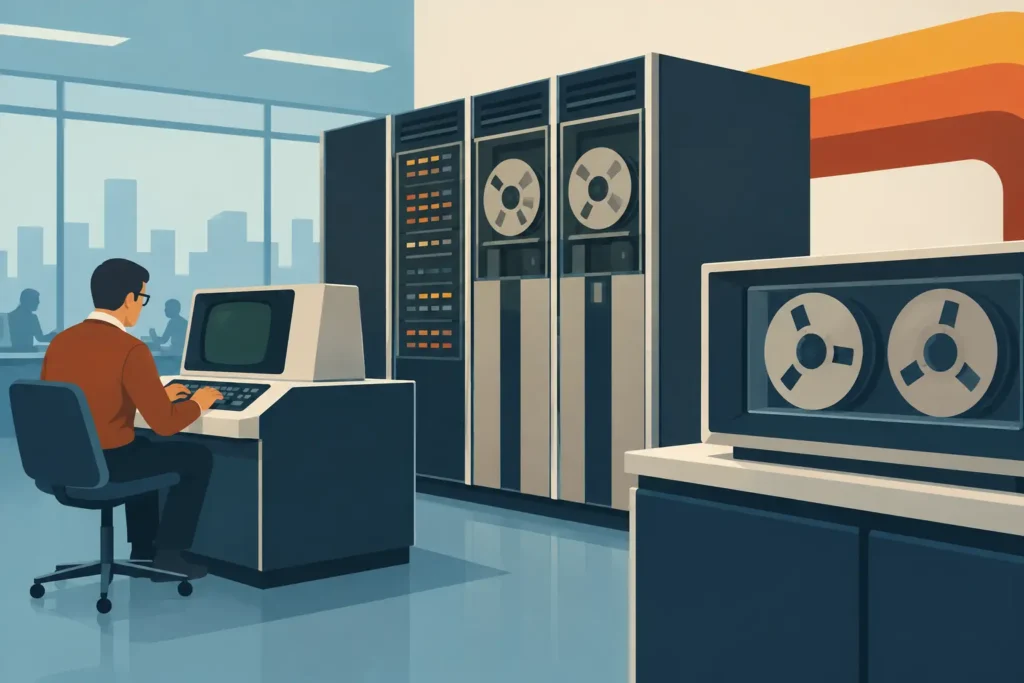
1970s Computing History and Digital Power
1970s computing history was not a clean march toward progress. It was a tense, contested decade when terminals, networks, and power began to converge.
1970s computing history was not a clean march toward progress. It was a tense, contested decade when terminals, networks, and power began to converge.
New York noir turns a glittering city into a crime scene, where nightlife, power, fear, and ambition leave clues in every shadow. After the lights go out.
Historical fiction trends are turning buried eras into high-stakes crime scenes, where power, technology, and memory leave dangerous evidence behind.
Disco novels turn dance floors into crime scenes, where glamour, politics, and danger collide beneath the pulse of 1970s nightlife and history.
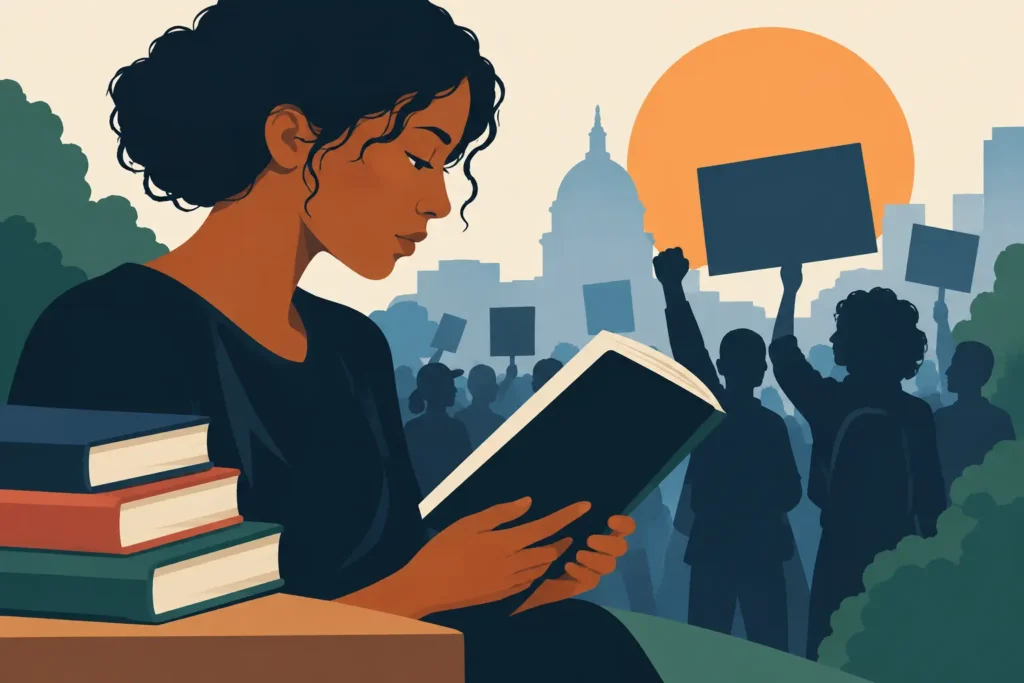
Use this guide to protest era fiction to find novels where street-level danger, political pressure, and private choices collide under surveillance now.

Read suspense novels for the pulse of danger, the pleasure of a hard-won revelation, and stories where history, power, and fear collide after midnight.
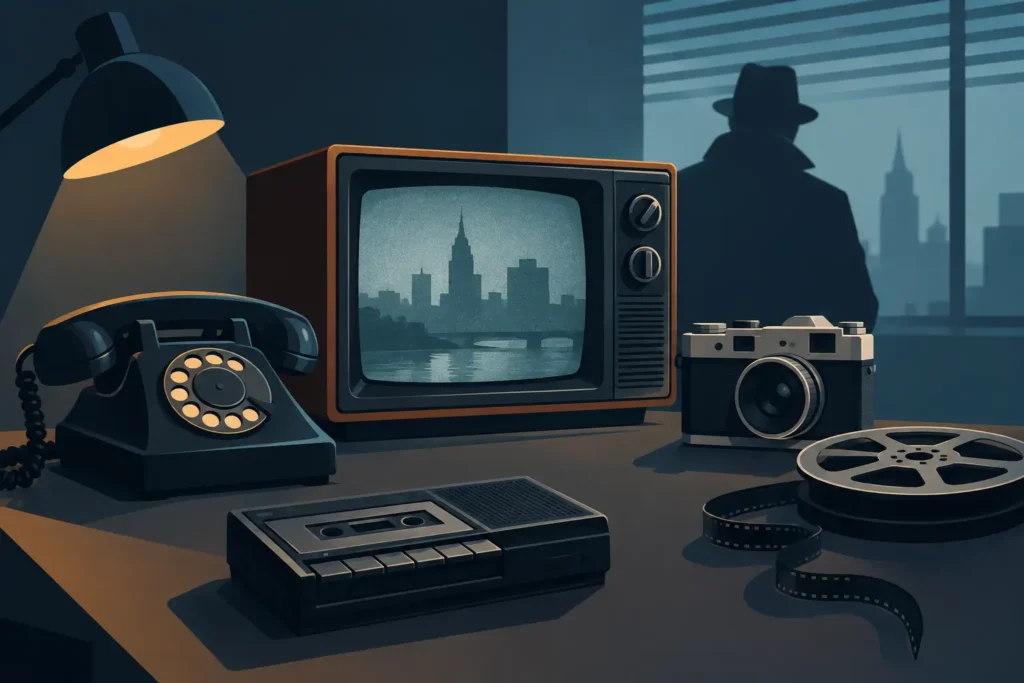
Why does vintage technology matter? Because old machines reveal the human choices, hidden systems, and dangers still shaping our connected lives now.
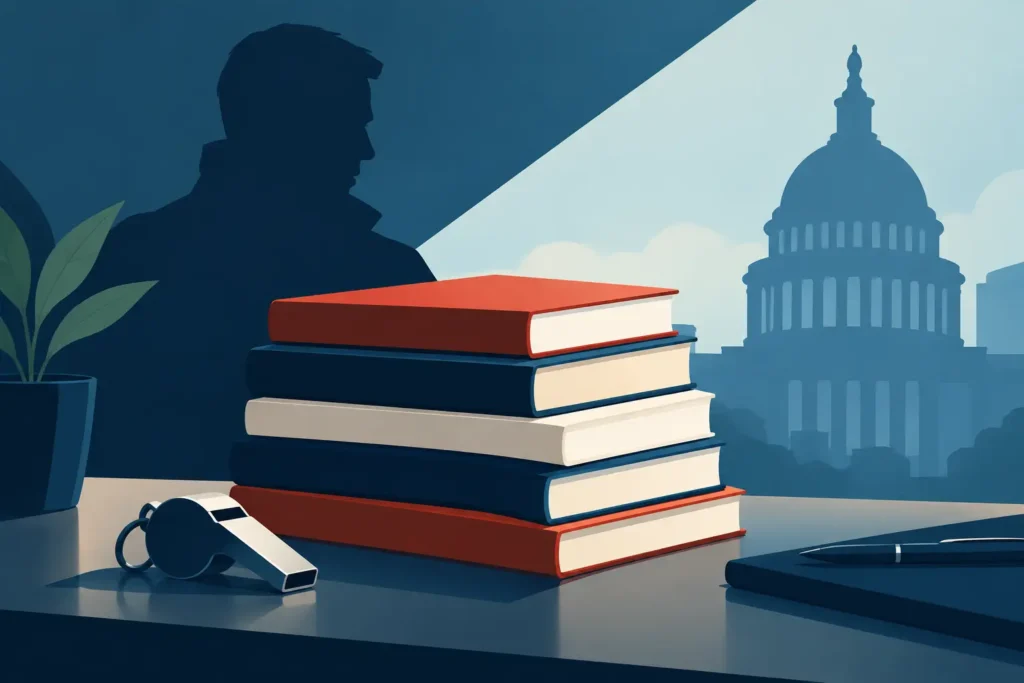
This whistleblower fiction reading list traces the novels where one leaked secret can trigger a manhunt, expose power, and change a public record forever.
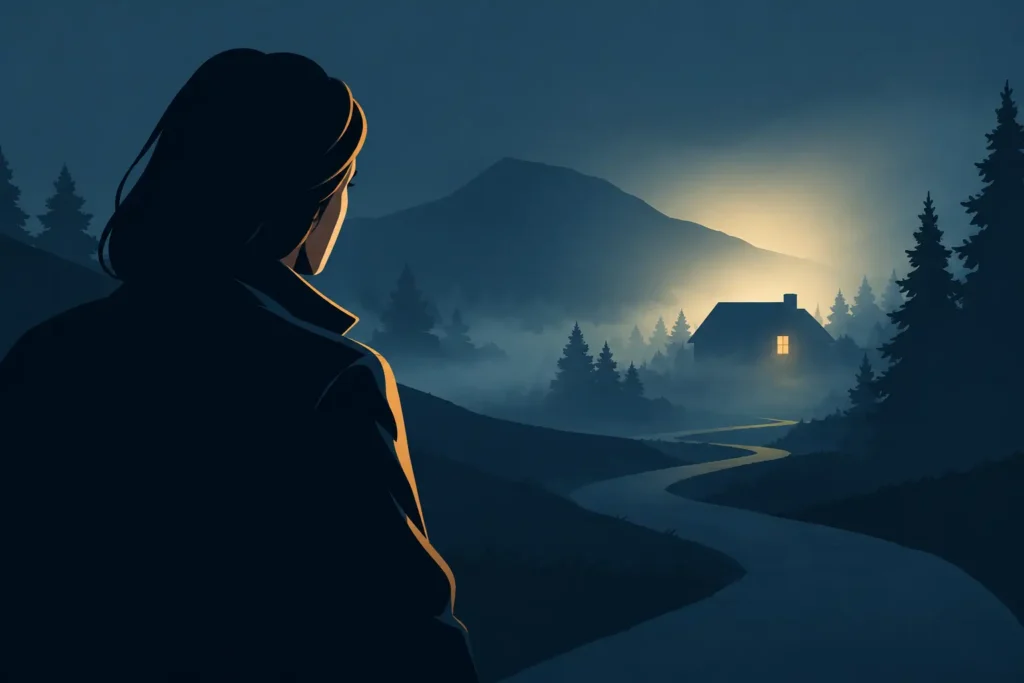
Suspense fiction turns a single unanswered question into a tightening trap, where crime, power, and hidden systems make every choice dangerously costly.
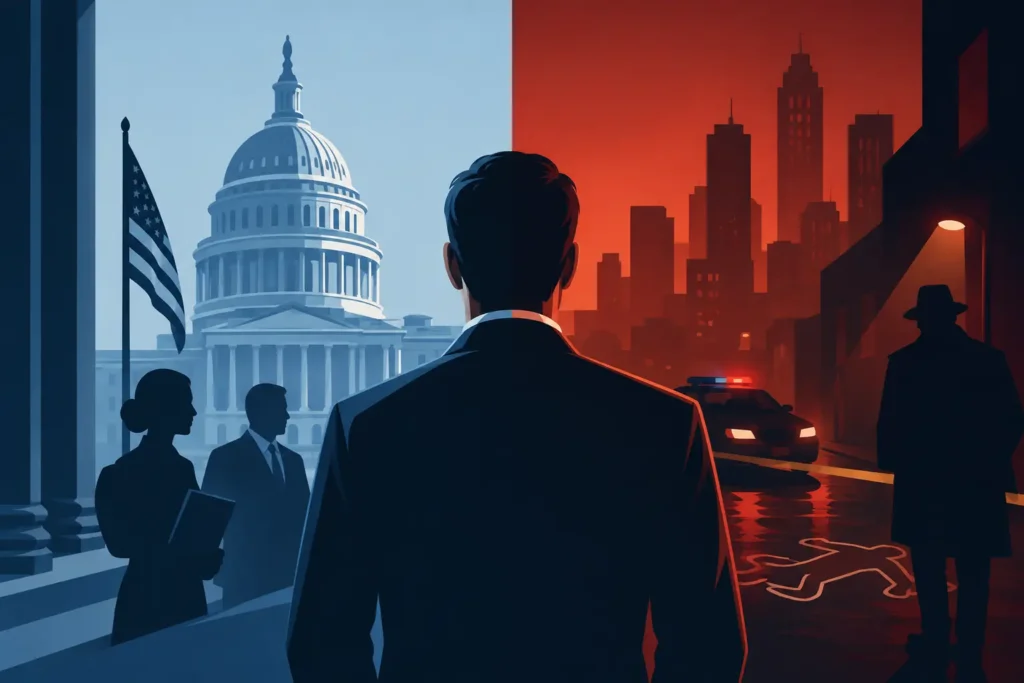
Political thriller versus crime fiction: see how power, motive, and danger reshape a mystery, and find the suspense story that fits your reading mood.